

Wednesday 16 April 2025
As the internet continues to evolve, a new debate has emerged over the rights and responsibilities of artificial intelligence (AI) companies. At stake is the vast amount of data that flows through websites every day, much of which is scraped by bots for use in AI models.
The issue at hand is whether AI companies should have greater access to this data than humans do. Proponents argue that unrestricted access will accelerate innovation and progress, while opponents claim it will lead to exploitation and undermine the value of human creativity.
One concern is the impact on content creators. Websites generate revenue through advertising, subscriptions, and sales, but bots can disrupt these business models by scraping valuable content without permission or compensation. This not only harms website owners but also stifles innovation, as companies may be less likely to invest in new projects if they cannot protect their intellectual property.
Another issue is the potential for data laundering. When AI companies scrape large amounts of data, it can be difficult to track its origin and ensure that it has been collected ethically. This raises concerns about the privacy and security of users’ personal information.
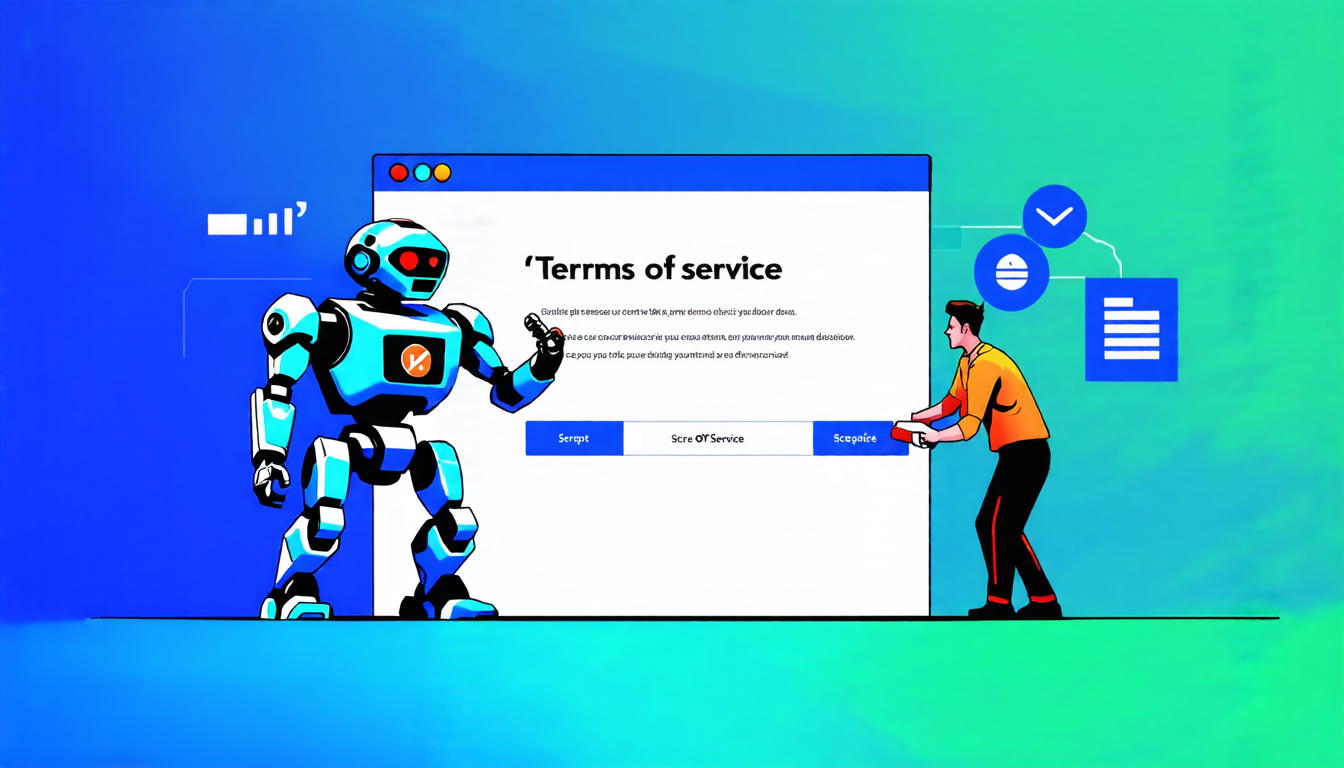
To address these issues, some experts suggest creating a new protocol for website owners to specify how their content can be used. This would allow them to grant permission for certain uses, such as search engines or non-commercial AI projects, while restricting others. This approach could also enable machine-readable instructions that approximate the natural language instructions in websites’ terms of service.
Non-profit research organizations, which often rely on publicly available data for their work, may be exempt from these restrictions. These groups typically operate under ethical guidelines and publish their findings to advance public knowledge and address social issues.
The debate surrounding AI access to website data highlights the need for a nuanced approach that balances innovation with fairness and accountability. As the internet continues to evolve, it is essential that we establish clear rules and regulations that protect both content creators and users while also enabling responsible use of AI technology.
Cite this article: “Contractual Chaos: The Unintended Consequences of AI Data Scraping on Web Governance and Scientific Research”, The Science Archive, 2025.
Ai, Data Scraping, Website Ownership, Intellectual Property, Innovation, Content Creation, Data Laundering, Privacy, Security, Regulations, Accountability
Reference: David Atkinson, “Putting GenAI on Notice: GenAI Exceptionalism and Contract Law” (2025).





