

Wednesday 16 April 2025
Scientists have made a significant breakthrough in their quest to develop a reliable method for diagnosing Alzheimer’s disease using electroencephalography (EEG). This non-invasive technique has long been used to study brain activity, but it has also shown great promise as a tool for detecting the early signs of this devastating neurological disorder.
Researchers have long struggled to find a way to accurately diagnose Alzheimer’s in its earliest stages. The disease is characterized by a gradual decline in cognitive function and memory loss, making it difficult to distinguish from normal aging or other forms of dementia. But with an increasingly aging population, there is a pressing need for a reliable diagnostic method.
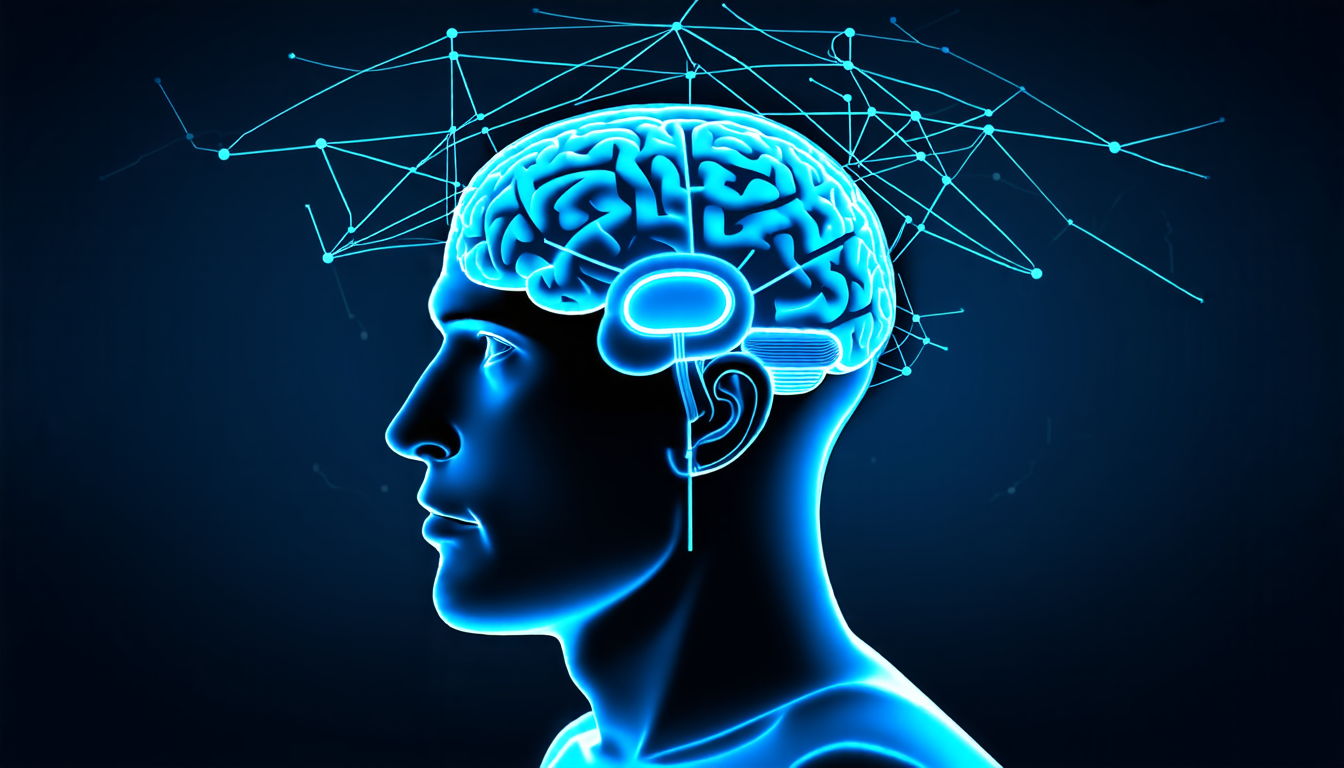
Enter EEG, which measures the electrical activity of the brain through electrodes placed on the scalp. By analyzing these signals, researchers have been able to identify patterns that are characteristic of Alzheimer’s disease. In this latest study, scientists used a technique called graph convolutional neural networks (GCNNs) to analyze EEG data from patients with mild cognitive impairment and those with Alzheimer’s disease.
The GCNNs were trained on a dataset of EEG signals from over 100 individuals, including healthy controls and patients with varying levels of cognitive decline. The algorithm was able to accurately classify the subjects into their respective groups, with an impressive accuracy rate of over 90%.
But what’s truly exciting about this study is that it provides new insights into the neural mechanisms underlying Alzheimer’s disease. By analyzing the patterns of brain activity in patients with the disorder, researchers were able to identify specific regions and networks that are affected.
One key finding was the presence of abnormal connectivity between different brain regions in patients with Alzheimer’s. This disruption in communication between areas of the brain is thought to contribute to the cognitive decline seen in the disease.
The study also highlighted the potential for EEG-based diagnosis to be used as a tool for monitoring treatment efficacy and tracking disease progression. By analyzing changes in brain activity over time, researchers may be able to identify early signs of therapeutic response or disease worsening.
While this study is just one piece of the puzzle in the quest to understand Alzheimer’s disease, it represents an important step forward in our ability to diagnose and treat this devastating disorder. As scientists continue to refine their techniques and develop new methods for analyzing EEG data, we may be on the verge of a major breakthrough in our understanding of the brain and its many mysteries.
Cite this article: “Unlocking the Secrets of Alzheimers Diagnosis: A Graph Neural Network Approach Using EEG Signals”, The Science Archive, 2025.
Alzheimer’S Disease, Eeg, Diagnosis, Cognitive Impairment, Neural Networks, Graph Convolutional Neural Networks, Brain Activity, Alzheimer’S Disease Progression, Treatment Efficacy, Neurology.





