

Tuesday 09 September 2025
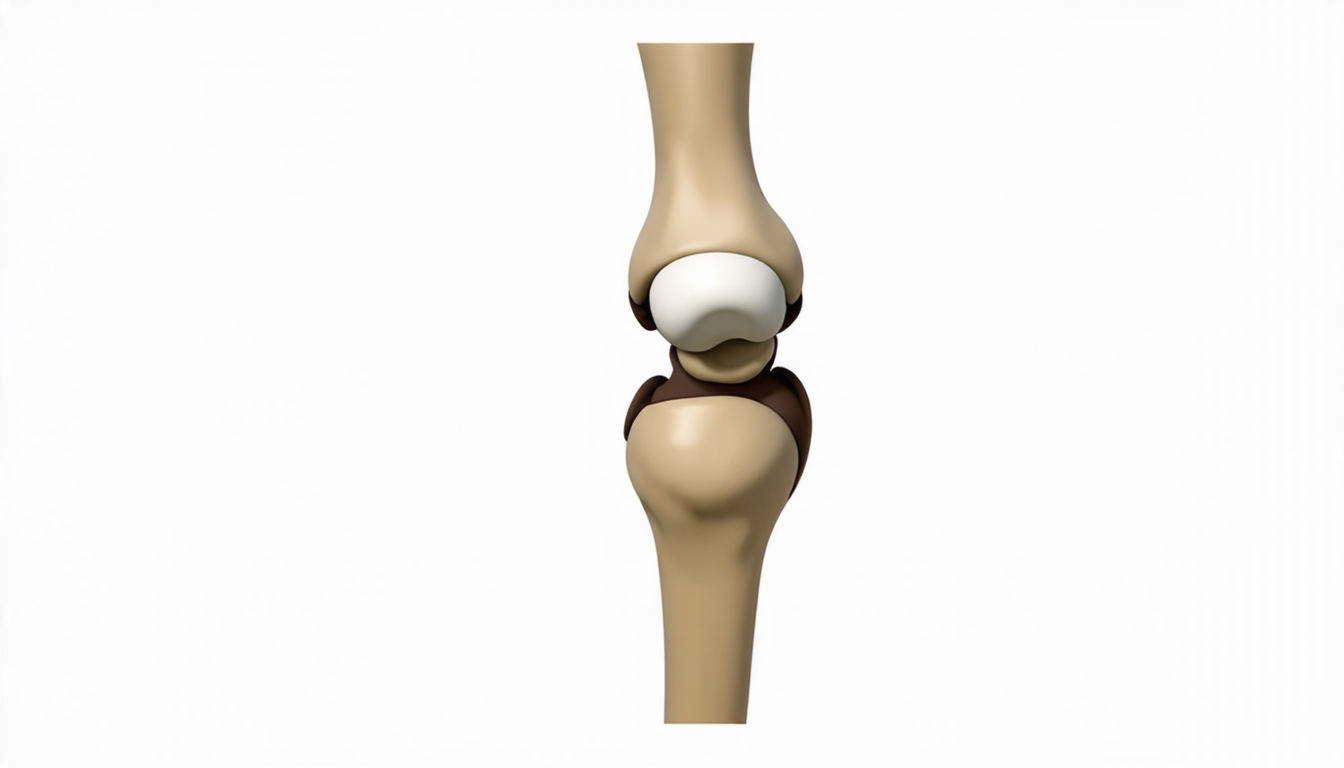
A team of researchers has developed a new method for creating high-resolution, patient-specific 3D images of knee joints using only standard clinical MRI scans. This technology has the potential to revolutionize the way surgeons plan and perform surgeries, particularly those involving trochleoplasty.
Trochleoplasty is a surgical procedure used to treat patients with patellar instability, a condition where the kneecap slips out of place. Currently, surgeons rely on low-resolution MRI scans to plan the surgery, which can lead to inconsistent outcomes and limited adoption of minimally invasive techniques.
The new method uses a combination of machine learning algorithms and image processing techniques to create highly detailed 3D images of the knee joint from standard clinical MRI scans. This is achieved by training a neural network on a large dataset of MRI scans to learn how to accurately reconstruct high-resolution images.
To test their technology, the researchers applied it to a group of patients with trochleoplasty and compared the results to those obtained using traditional methods. The new method produced highly accurate 3D images that were able to capture subtle details in the knee joint that were missed by traditional methods.
The implications of this technology are significant. For one, it has the potential to improve patient outcomes by providing surgeons with more accurate and detailed information about the knee joint before surgery. This could lead to better surgical planning and execution, resulting in fewer complications and improved patient satisfaction.
Additionally, the technology could increase adoption of minimally invasive techniques for trochleoplasty, which could reduce recovery time and scarring for patients. It could also enable surgeons to perform more complex surgeries that were previously not possible due to limited imaging resolution.
The researchers believe that their technology has the potential to be applied to a wide range of surgical procedures beyond just trochleoplasty. They are currently working on refining their method and expanding its applications to other areas of the body.
In a significant step forward for medical imaging, this technology demonstrates the power of machine learning in improving patient care. By providing surgeons with more accurate and detailed information about the human body, it has the potential to improve countless lives and advance the field of medicine as a whole.
Cite this article: “Reconstructing Reality: AI-Powered 3D Imaging for Personalized Orthopedic Surgery”, The Science Archive, 2025.
Knee Joint, 3D Imaging, Mri Scans, Trochleoplasty, Surgical Planning, Machine Learning, Image Processing, High-Resolution Images, Patient-Specific, Medical Imaging.





